Between Snow and Sun: Craft Journeys in the High Alps

Step into Seasonal Craft Immersions: winter woodcarving and summer natural dyeing in the Alps, where stove-warmed rooms cocoon steady hands and flower-bright meadows gift color to cloth. We’ll trace curling linden shavings, stir luminous dye baths, meet mountain mentors, and carry home skills tempered by altitude and weather. Expect practical guidance, tender stories, and a clear path to begin, deepen, and share your own high-country craft adventures with care, humility, and joy.

Choosing Alpine Species

Start with woods that forgive and sing: linden for buttery ease, Swiss stone pine for scent and stability, birch for crisp detail. Avoid sappy knots and checks; watch moisture content, acclimating boards slowly away from direct heat. Split billets follow the grain; sawn boards may surprise. Keep blanks wrapped when not working, preventing sudden dries and end cracks. Small pieces season faster, ideal for spoons, reliefs, and learning cuts that respect living structure.

Tools That Hold an Edge in Cold

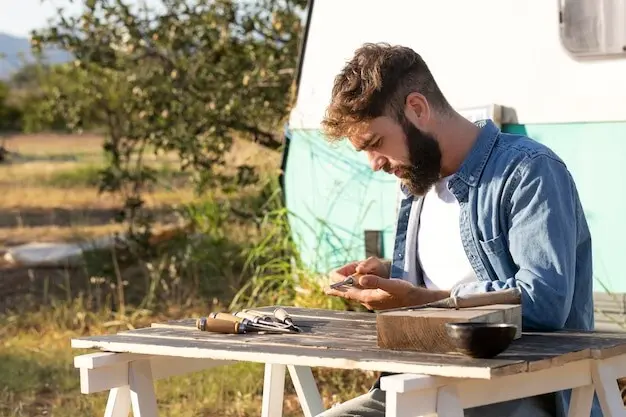
Carbon steel loves keenness yet hates neglect, especially in dry winter air. Hone often, strop warm, and mind brittle edges in deep freeze. Keep gouges, knives, and V-tools organized, sheathed, and slightly oiled. A simple bench hook and carving vise tame slipping stock. Gloves without fingertips warm palms while preserving feel. Always cut away from the body, anchor elbows, and let mallet taps be gentle breaths rather than impatient blows.

Your First Relief

Begin with a sprig of edelweiss or a small ibex silhouette, penciled lightly across a flat linden panel. Outline with a shallow V-tool, sink crisp stop cuts, and ease the background lower in thin, whispering passes. Turn the board often, letting light reveal form. Keep edges honest, corners unbruised, and don’t chase depth too fast. Sand sparingly, burnish with shavings, and oil lightly so winter sunlight wakes the carving’s quiet planes.

Grain and Lore: Neighbors, Chapels, and Masked Parades

The Alps hold stories inside wood. In hamlets where bells skim winter clouds, elders carve nativity figures, parade masks, and humble ladles shaped by need and song. You might hear about a grandfather’s bench, a chapel repaired after avalanche, or winter nights when children learned chip patterns by firelight. Craft binds mountain places: swapping blades, sharpening together, laughing at mistakes, and passing down gestures that carry dignity, resilience, and a shared responsibility to make things well.

Meeting the Mountain Mentor

Expect a nod toward your hands before your work; skill here is read in posture and listening. A village carver might trace a fingertip across your panel and ask where the grain wants you to turn. They’ll speak of tear-out as a conversation, not a failure, and show how to cradle blades, pause, and return with certainty. Bring humility, curiosity, and a notebook; leave with a gesture you’ll practice for years.

Altars, Masks, and Everyday Tools

Visit a small church to study weathered saints or follow the laughter of carnival where hand-carved masks stride like walking forests. Notice how chisels shape reverent curls for altars yet carve rugged spoons meant to stir soup beside the hearth. Function and festivity meet in these objects, each surface revealing time’s signature. Photographs help memory, but linger longer with your eyes; sketching teaches proportion and how shadow completes what tools begin.

Keeping Warm, Keeping Focus

Cold hands rush; warm hands feel grain. Layer wool, sip tea, and set a timer that reminds you to stretch wrists and soften shoulders. Clear chips often, as clutter tangles judgment. A small beeswax candle beside your bench steadies light and pace. Safety grows from comfort and ritual: cover edges before breaks, store mallets low, and choose patience over speed. Good work respects winter’s tempo and your body equally.

Foraging with Care

Carry permission as surely as baskets: know protected species, harvest lightly, and take only what a plant can spare without harm. Choose windfall when possible; prefer leaves over roots, flowers over whole plants. Travel with a field guide, loupe, and respect for shepherds’ pastures. Record locations responsibly; never publish sensitive sites. Bring bags for separating materials, and always leave the ground tidier than found, so color remains a renewable, generous neighbor.

From Sun Jars to Rolling Boils

Two pathways teach different voices. Solar jars, packed with petals and pre-mordanted cloth, rest in sunlight for days, yielding tender, nuanced hues shaped by patience. Rolling boils concentrate color quickly, encouraging boldness and controlled extraction. Try both methods, compare swatches, and note how time, temperature, and fabric weight reframe results. Label everything meticulously. Embrace surprise: a cloudy day can soften a palette; an extra hour may deepen gold into autumn honey.

Mordants, Modifiers, and Myths

Alum is a dependable ally; iron shifts tone toward shadowed woods; cream of tartar helps brightness sing. Measure carefully, ventilate well, and wear gloves. Modifiers like vinegar or wood ash adjust pH, steering color markedly. Test scraps before immersing a cherished scarf. Keep vats clearly labeled, date solutions, and store away from food. Myths fade under notes: documentation turns accidents into repeatable magic and keeps both cloth and rivers safe.

Dye Season: Meadows Singing Over Boiling Pots

When snow releases the slopes, color rises quietly from leaves, cones, and blossoms. Summer in the Alps turns paths into palettes, guiding learners toward gentle foraging and respectful extraction. We gather responsibly, prepare fibers with simple, safe mordants, and coax hues from sun jars and simmering pots while streams keep time. Expect stains on fingertips, notebooks fluttering with swatches, and laughter around steaming cauldrons as cloth takes memory from mountain air and afternoon thunder.

Colors of Altitude: Recipes the Mountains Approve

Recipes here arise from weather, water, and wandering. What works at sea level transforms under glacier light and thin air, so we test patiently and listen to fiber. We’ll share combinations that repay care—grays whispered by larch and iron, golds sung by onion skins and birch, and blues breathed by indigo—always with times, temperatures, and small cautions so your cloth records heights truthfully, not hurriedly, honoring place through method as much as color.

01

Larch, Alder, and Iron for Storm-Cloud Grays

Steep dried larch cones and alder buds until the bath turns tea-dark, then introduce an iron modifier sparingly, watching wool slide toward pebble, slate, and raincloud. Pre-mordant with alum lightly to keep softness. Longer soaks deepen gravity, but too much iron stiffens hand. Rinse thoroughly, dry in shade, and compare swatches at dawn and dusk; altitude light reveals undertones city lamps hide. Repeat small tests, then scale thoughtfully for garments.

02

Onion Skins, Birch Leaves, and Dyer’s Chamomile

Save papery onion skins all winter; summer birch leaves and dyer’s chamomile brighten their warmth. Simmer gently, avoid a hard boil, and let fibers cool in-bath overnight for depth. Cream of tartar smooths the golds; a touch of iron leans to olive, evoking moss under spruce. Linen drinks differently than wool—give it time. Record ratios by weight of fiber, and clip swatches into a mountain-weather diary for confident repeating.

03

A Sky in Cloth: Indigo Vats Under Glacier Light

Build a fructose or henna-reduced vat, minding temperature and oxygen carefully. Skim the flower, dip with calm hands, and watch fabric lift green before turning blue as air kisses it awake. Several short dips beat one long soak for clarity. Rinse between dips, rest the vat, and resist stirring. Shade-dry to preserve nuance. Stitch-resist patterns echo ridgelines; carved wooden stamps from winter sessions add continuity, letting seasons collaborate across your wardrobe.

Stewardship in Every Shaving and Stain

Craft here is responsibility practiced daily. Chips become kindling for a neighbor; plant matter returns to compost, never waterways. Trails stay tidy, workshops sweep clean, and solvents surrender to safer alternatives. We choose local wood, local wool, and simple chemistry, balancing beauty with accountability. When mistakes happen, we document and improve rather than hide. This stewardship shapes not only results but also character, ensuring mountains remember us as careful guests, not careless visitors.

From Workshop to Home: Plan, Pack, and Share

Take the Alps with you thoughtfully: notes well-kept, tools properly guarded, and intentions translated into daily practice. We outline packing lists, travel tips, and small projects that bridge seasons—carved stamps for summer cloth, dyed straps for winter tools. Finally, we invite your voice: ask questions, subscribe for new guides, and show what your hands are learning. Community grows when stories meet, swatches swap, and encouragement arrives exactly when courage wavers.
Zentodarilaxikentopexilento
Privacy Overview

This website uses cookies so that we can provide you with the best user experience possible. Cookie information is stored in your browser and performs functions such as recognising you when you return to our website and helping our team to understand which sections of the website you find most interesting and useful.